| dc.contributor.author | Mtukwa, Gift | |
| dc.date.accessioned | 2026-10-27T07:24:44Z | |
| dc.date.available | 2026-10-27T07:24:44Z | |
| dc.date.issued | 2025 | |
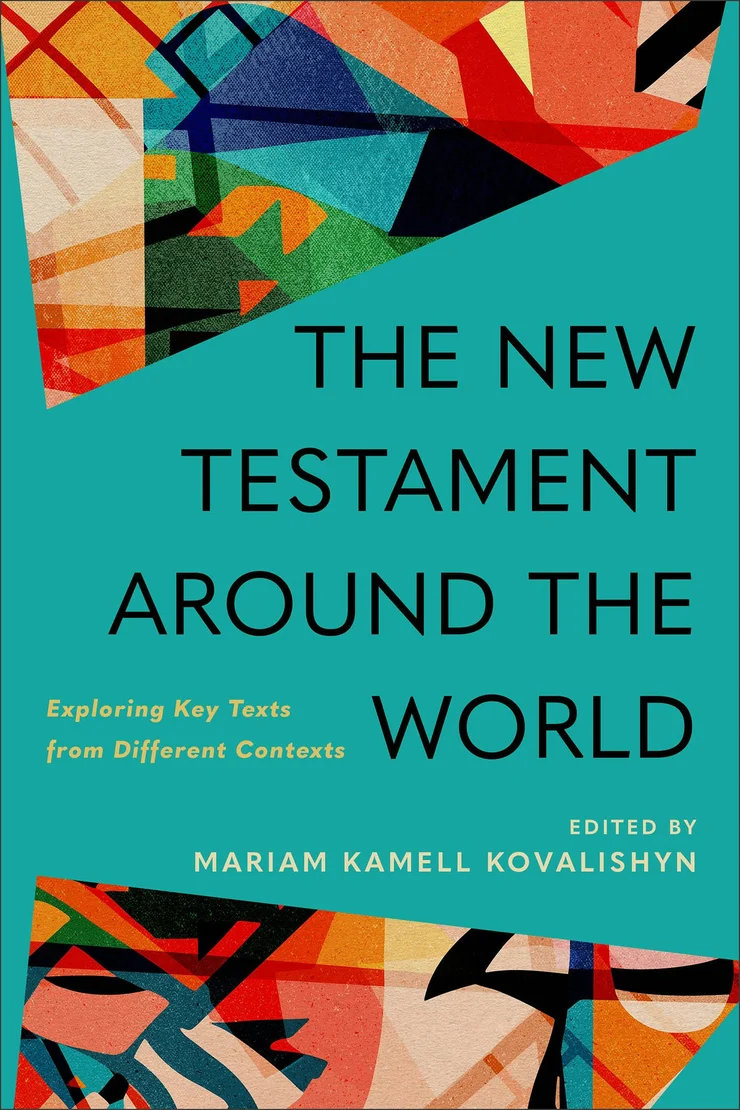
| dc.identifier.citation | Mtukwa, Gift. “Paul's Dokimazō in 1 Thessalonians 2:4 in Light of Ancient Greek Dokimasia of Orators.” In The New Testament Around the World, edited by Mariam Kamell Kovalishyn, 186–198. Grand Rapids: Baker Academic, 2025. | en_US |
| dc.identifier.isbn | 9781540962966 | |
| dc.identifier.uri | https://bakerpublishinggroup.com/products/9781540962966_the-new-testament-around-the-world | |
| dc.identifier.uri | http://repository.anu.ac.ke/handle/123456789/1286 | |
| dc.description | This book chapter by Gift Mtukwa examines Paul's use of the Greek term dokimazō in 1 Thessalonians 2:4 in light of the ancient Greek practice of dokimasia, the examination and evaluation of orators. It explores the historical and cultural background of the term and its significance for understanding Paul's description of his ministry and divine approval. The chapter contributes to the interpretation of Paul's apostolic calling, integrity, and responsibility in proclaiming the Gospel, highlighting the relationship between ancient Greek rhetorical practices and New Testament theology. | en_US |
| dc.description.abstract | As the church continues to expand and strengthen in non-Western contexts, it is increasingly important for students of the New Testament to be aware of how our global brothers and sisters exegete and apply Scripture. Even when we share a grammatical-historical approach with others, our interpretation of biblical texts is invariably affected by social location and cultural context, which influence the questions we ask of the text and how we apply it. Western readers can become aware of how our culture influences our interpretation by learning from others from different perspectives, including those whose experience may match the original audience more closely than our own.
This volume, ideal as a supplemental textbook for courses in the New Testament, brings together distinguished scholars from around the world with perspectives we might not typically encounter and includes some minority voices focused on life within the United States as well. Each contributor writes on a biblical book or group of books, and together they cover the whole New Testament. These authors expose students and pastors in the West to new questions and ways of reading familiar texts. The result is an eye-opening, spiritually enriching experience that will supplement and strengthen our own biblical interpretation. | en_US |
| dc.language.iso | en | en_US |
| dc.publisher | Baker Academic | en_US |
| dc.subject | Early Christianity | en_US |
| dc.subject | Biblical interpretation | en_US |
| dc.subject | Apostolic ministry | en_US |
| dc.subject | New Testament exegesis | en_US |
| dc.subject | Pauline theology | en_US |
| dc.subject | Orators in ancient Greece | en_US |
| dc.subject | Ancient Greek rhetoric | en_US |
| dc.subject | Dokimasia | en_US |
| dc.subject | Dokimazō | en_US |
| dc.subject | 1 Thessalonians 2:4 | en_US |
| dc.subject | Paul the Apostle | en_US |
| dc.title | "Paul's Dokimazō in 1 Thessalonians 2:4 in Light of Ancient Greek Dokimasia of Orators," 186–198. In The New Testament Around the World | en_US |
| dc.type | Book chapter | en_US |